The Myth of Never AGAIN
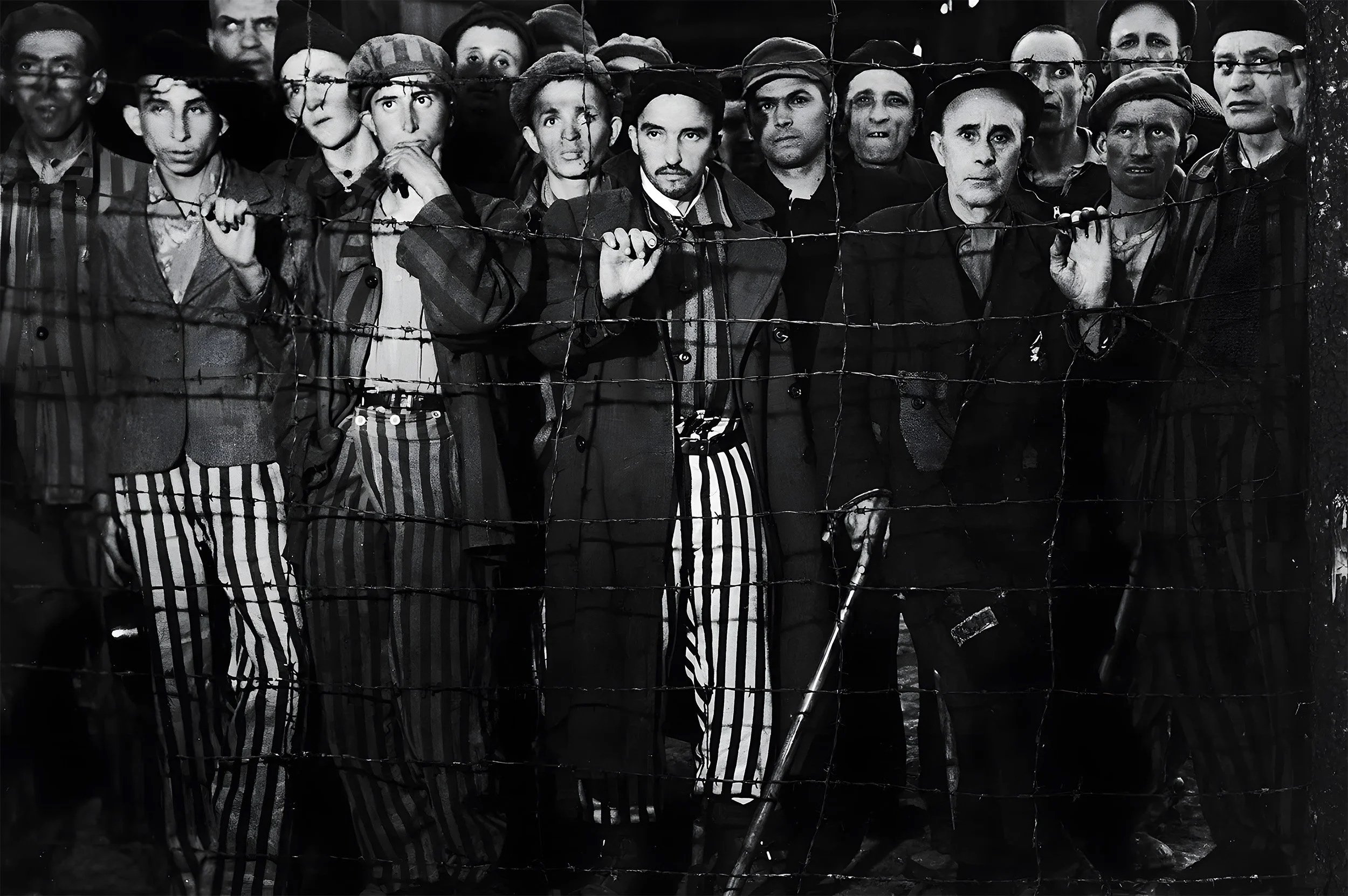
The liberation of Buchenwald, April 1945, where the expression “Never Again” was first documented. Photo by Margaret Bourke-White.
ABOUT
One frequently cited reason to study the Holocaust is for students to engage in efforts to prevent future genocides. This is often codified in the declaration “Never Again.”
But what is the connection between the aspirational slogan and the practical steps needed to achieve it?
Is this vision of preventing “all genocides” based in any specific political or educational framework, or is it an unachievable goal, one that has been grafted onto state teaching requirements?
The Myth of Never Again proposes an alternative educational framework, one that is grounded in the actionable and achievable goals of a human rights-focused classroom.
Listen below.
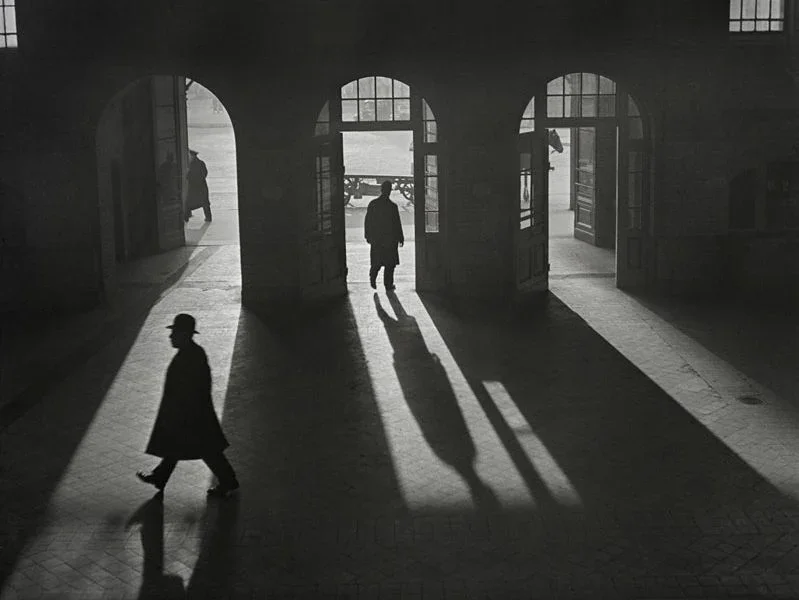
Interior of the Anhalter Bahnhof railway terminus near Potsdamer Platz, Berlin. Photo 1929–early 1930s by Roman Vishniac.
LISTEN TO THE MYTH OF NEVER AGAIN
RESOURCES
Annotated Transcript
Follow along with the transcript for The Myth of Never Again podcast. This document also includes annotations and links to source material.
Download the annotated script.
Facilitator’s Guide
This teaching guide offers educators a pedagogical rationale for the project as well as a framework for using The Myth of Never Again in the classroom.
Download the Facilitator’s Guide.
Literature Review
This literature review examines scholarship related to the history of the phrase “Never Again,” along with the evolution of its meaning. The review also considers federal and state Holocaust educational mandates and the pedagogical methods they use, or don’t, to implement genocide prevention education. And finally, it asks whether genocide prevention is an achievable goal for students.
Download the literature review.
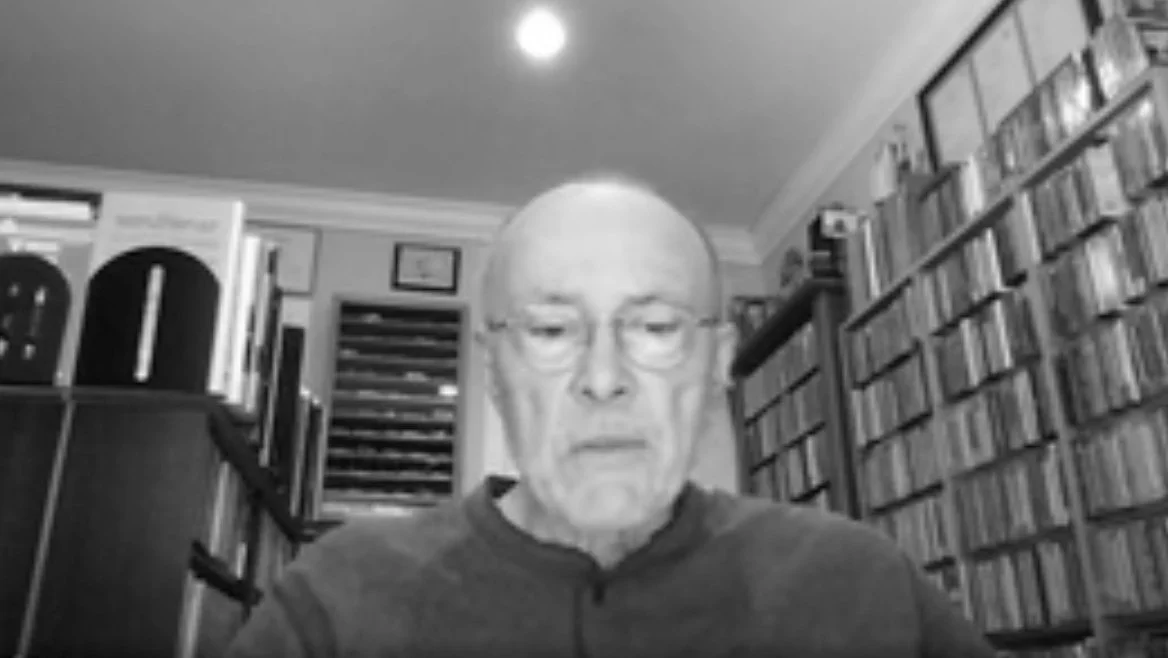
Full Interview with William Fernekes
Human Rights Resources for Educators and Students
Alter, Gloria T., and William R. Fernekes, editors. The Human Rights Imperative in Teacher Education: Developing Compassion, Understanding, and Advocacy. Rowman & Littlefield, 2022.
Amnesty International, Know Your Rights and Claim Them: Child Rights Education Toolkit
Human Rights Educators USA, Resources
Osler, Audrey. Human Rights and Schooling: An Ethical Framework for Teaching for Social Justice. Teachers College Press, 2016.
Sikkink, Kathryn. Evidence for Hope: Making Human Rights Work in the 21st Century. Princeton University Press, 2017.
UNICEF Canada, Teaching About Children’s Rights
CREDITS
This project was created for the graduate class Holocaust and Genocide Education at Rowan University under the instruction of Dr. Jennifer Rich.
It was produced by Eric Maierson, a writer and two-time Emmy-winning video editor and producer. His work has appeared on The New York Times, The New Yorker, The Washington Post and Time. Recently, he co-wrote and edited the 5-episode podcast Covering Their Tracks about the French National Railway, Auschwitz, and the fight for justice.
Katie Honaker voiced the project.
And Zack Wright mixed it.
Special thanks to William Fernekes.
This project is dedicated to the memory of Emanuel Fell, who was killed in action during the Battle of the Bulge on December 21, 1944.
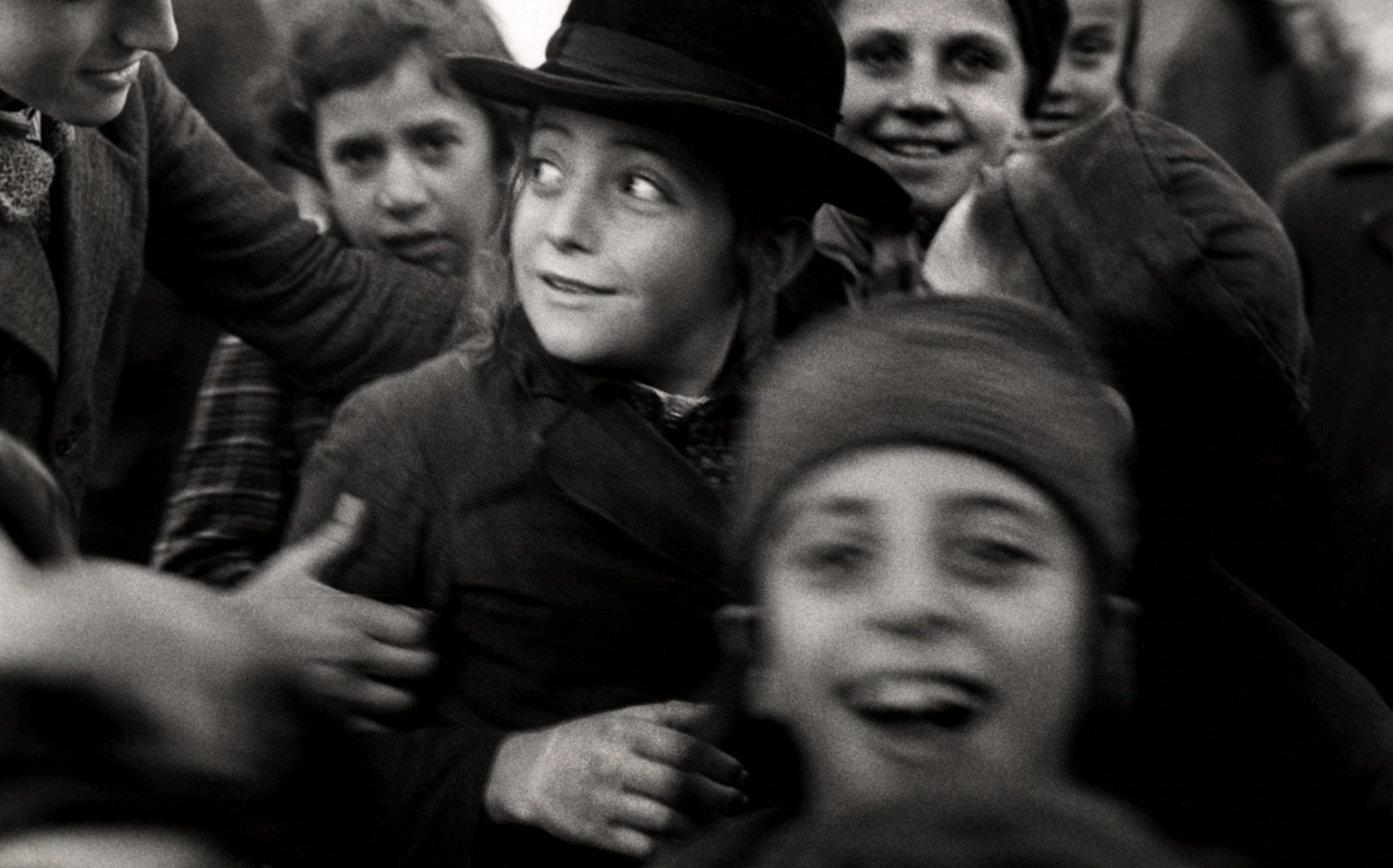
Jewish schoolchildren in Mukacevo, now in Ukraine, c. 1935–38, photographed by Roman Vishniac.